
Do any of your patients have the following warning signs?
- emotional distress or behavioural changes
- unexplained weight loss
- gastrointestinal symptoms
- fertility or reproductive concerns
- injuries associated with excessive exercise
- fainting or dizziness
- ongoing fatigue or poor sleep
- feeling cold most of the time regardless of the weather
- swelling around the cheeks or jaw, calluses on the knuckles, dental damage or persistent bad breath, which may be associated with vomiting
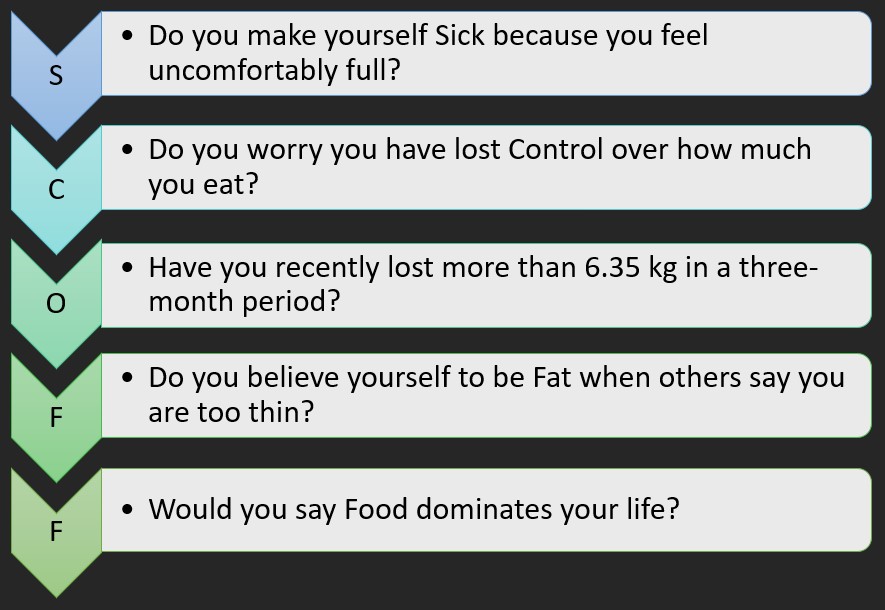
If you are concerned your patient may have signs consistent with an eating disorder
- Complete the EDE-Q Eating Disorder Examination Questionnaire. An online version is available here.
- Consider preparing an Eating Disorder Care Plan where clinically appropriate. This may allow access to Medicare supported sessions with a dietitian and psychologist where eligibility criteria are met.
- Consider referral to an accredited practising dietitian experienced in eating disorder care.
- Consider referral to a psychologist or other appropriate mental health professional.
There has been a reported increase in eating disorder diagnoses since the COVID-19 pandemic.
Adheesha has undertaken training in eating disorder management including:
- CEED training
- mentoring and professional supervision in eating disorder management
- an interest in supporting young people with concerns relating to food and body image
If you have any queries, please feel free to ask.
Risks and Recovery
Eating disorders are serious medical and mental health conditions that may lead to significant physical and psychological complications if not identified and managed appropriately. Possible complications include malnutrition, electrolyte imbalance, cardiovascular problems, gastrointestinal disturbance, bone health issues, fertility problems, dental damage, and mental health conditions such as anxiety or depression.