In the world of cosmetic enhancement, people are often looking for non-invasive or minimally invasive options to change aspects of their appearance. One such procedure is the facial treatment with suspension threads. A facial treatment with suspension threads is a non-surgical facial treatment intended to support and lift areas of skin laxity using specialised threads, without an operation or extended recovery in some cases. This is a serious decision and is not suitable for everyone. A consultation with an appropriately qualified health practitioner is required to discuss suitability, realistic outcomes, aftercare requirements, and total costs.
This information is general in nature and is not medical advice. Individual responses and results vary, and no outcome can be guaranteed.
Common techniques for facial treatment with suspension threads
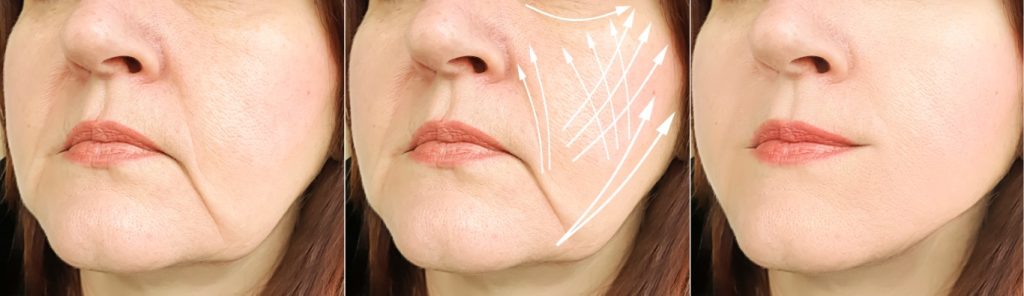
A facial treatment with suspension threads involves placing absorbable threads under the skin to reposition and support selected facial tissues. The threads may also stimulate collagen production as part of the body’s natural response, which can contribute to gradual changes in skin texture and firmness over time. Different types of threads and techniques may be used depending on the area being treated and the intended treatment plan, and the most appropriate approach should be determined after clinical assessment.
Facial treatment with suspension threads can generally be grouped into three categories based on the materials used: Polydioxanone (PDO), Poly-L-Lactic Acid (PLA), and Polycaprolactone (PCL) threads. Each type of thread has its own characteristics and typical breakdown timeframe. The timeframe and visible changes can vary between individuals and depend on factors such as technique, skin quality, and aftercare.
- PDO threads are commonly used and are absorbable. They may support collagen stimulation during the period they are present.
- PLA threads may remain in place for longer than PDO threads in some cases and may stimulate skin support cells over time.
- PCL threads may break down more slowly than other types in some cases, which may influence how long changes are maintained. Individual variation is expected.
Detailed breakdown of techniques
Facial treatment with suspension threads can involve different placement techniques to address different concerns. The choice of technique depends on the person’s goals, skin condition, anatomy, and the practitioner’s clinical judgement.
1. Barbed threads
Barbed threads are designed with small barbs along their length to anchor into tissue and provide a supporting effect.
- How they work: Barbed threads are positioned to engage tissue and support areas such as the jawline, cheeks, and neck, depending on assessment.
- Considerations: Barbed threads may be used where more support is required. As with all techniques, outcomes vary and there is a risk of side effects and complications.Smooth threads
2. Smooth threads do not have barbs.
They are generally used to support collagen stimulation rather than providing a pronounced lifting effect.
- Characteristics: Smooth threads may be used in areas where the goal is to support skin texture and fine lines, such as around the eyes, mouth, or forehead, depending on suitability.
- Use cases: They may be considered for early skin texture concerns or for people seeking subtle changes, based on clinical assessment.
3. Screw threads
Screw threads are coiled around a needle. This design may be used where additional tissue support is desired.
- Introduction: The coiled design may provide a different form of support within the tissue and may be considered in areas affected by volume change, depending on assessment.
- Effectiveness: Some people may notice changes in contouring in suitable areas, but outcomes vary and no specific result can be promised.
4. Combination techniques
To address more than one concern, some practitioners may use a combination of thread types within a single treatment plan, such as using one thread type for support and another to focus on skin texture. The approach should be explained during consultation, including why a combination is being recommended and what risks may increase with more extensive treatment.
Suitability for various skin types
Not all techniques are suitable for every skin type, and the practitioner should consider factors such as skin thickness, elasticity, age, medical history, and the degree of laxity or volume change. Thinner skin may require a more conservative approach, while thicker skin may tolerate different thread choices. Suitability must be assessed in person.
- Factors: Skin condition, patient age, anatomy, and the degree of laxity or volume change can influence the recommended thread type and technique. Some people may be advised that an alternative option, or no procedure, is more appropriate.
Technique effectiveness
Short-term changes
Some people notice a change in contour soon after a facial treatment with suspension threads, while others notice more gradual change over time. Swelling, bruising, tenderness, or temporary tightness can occur, and these may affect the appearance in the early days. Recovery experiences vary and depend on the treatment area and extent of treatment.
- Recovery time: Some people return to many usual activities within several days, while others need longer. Temporary restrictions on activity may be recommended to support healing.
- First few months: While threads are present, they may provide support and may contribute to collagen stimulation. Any change in skin firmness typically varies between individuals.
Longer-term changes
Threads dissolve over time, and any longer-term change may be related to healing response and collagen stimulation. How long results last varies significantly and depends on factors including thread type, technique, skin quality, lifestyle, and whether repeat treatments are required to maintain a desired outcome. Any timeframe discussed should be considered a general guide only and not a guarantee.
- Longevity: Some thread materials may remain present for longer than others, but the duration of visible change is individual and cannot be promised.
Comparative considerations
When comparing different techniques, several factors may be relevant:
- Duration of results: Some thread designs may provide more tissue support, while others may focus more on collagen stimulation. Individual variation is expected.
- Risk of complications: All facial treatments with suspension threads carry risks. Techniques that provide more tissue support may have different risk profiles, including a risk of unevenness, thread visibility, puckering, or migration if complications occur.
- Costs: Costs vary depending on the treatment plan, number and type of threads, and follow-up requirements. If you are reading about PDO threads, remember that the most suitable option and total costs should be confirmed during a consultation.
Choosing the right technique
For practitioners, selecting the most appropriate technique is important and should be based on a thorough consultation that includes assessing the person’s skin quality, medical history, and goals. A consultation should also cover realistic outcomes, the possibility of needing additional treatment, expected downtime, and aftercare requirements.
Risks and Recovery
A facial treatment with suspension threads is a medical procedure and involves risks. Individual responses and results vary, and no outcome can be guaranteed. Possible side effects and complications can include redness, swelling, bruising, tenderness, pain, infection, bleeding, scarring, puckering or dimpling, unevenness or asymmetry, visible or palpable threads, thread migration, temporary or persistent changes in sensation, and the need for additional follow-up or removal of a thread. Rare but serious complications can occur.
Recovery varies between individuals. You may be advised to avoid certain activities for a period of time and to follow aftercare instructions to reduce the risk of complications. Seek urgent medical advice if you have worsening pain, increasing swelling, signs of infection, skin colour change, or any other concerning symptoms. This procedure is intended for adults aged 18+. A consultation is required to confirm suitability and provide personalised aftercare and recovery guidance.