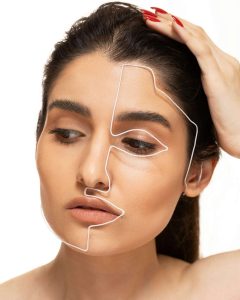
Are you exploring non surgical cosmetic procedures that may improve the appearance of skin laxity? A facial treatment with suspension threads is a cosmetic procedure that may be considered by some individuals seeking subtle lifting and tightening of certain facial areas.
A facial treatment with suspension threads involves placing absorbable threads beneath the skin to provide structural support to targeted areas. This approach may help improve the appearance of sagging skin in selected areas of the face. Suitability varies between individuals and a medical consultation is required to determine whether this treatment is appropriate.
More information about this treatment is available here:
Thread lift Cranbourne
What are PDO threads?
PDO threads, also known as polydioxanone threads, are absorbable sutures that have been used in medicine for many years. In cosmetic procedures, these threads may be used to support certain areas of the skin and may stimulate collagen production as part of the body’s natural healing response.
Different thread designs and thicknesses may be used depending on the treatment area and the clinical assessment performed by the practitioner.
These threads gradually dissolve over time. Individual responses vary and results cannot be guaranteed.
What makes suspension threads different?
Facial treatment with suspension threads is considered a minimally invasive cosmetic procedure compared with surgical facial procedures. It is generally performed using fine needles to place the threads beneath the skin.
Treatment approaches may vary depending on the individual’s facial anatomy, skin condition and treatment goals. Outcomes and recovery times vary between individuals.
Different types of threads
PDO threads are available in several designs that may be used for different treatment goals.
Monofilament threads are smooth threads that may be used to support skin structure and may assist with improving skin texture.
Barbed or cog threads have small barbs designed to anchor within the tissue. These may provide structural support to areas of the face where skin laxity is present.
More information about different thread types is available here:
Types of suspension threads
The facial treatment with suspension threads process
The process generally begins with a consultation where the practitioner assesses the skin, discusses treatment goals and explains potential benefits, limitations and risks.
If the procedure is considered suitable, fine threads are placed beneath the skin using specialised needles. The treatment duration varies depending on the areas treated.
Further details about related procedures can be found here:
Other cosmetic procedures
During the procedure, a local anaesthetic may be used to improve comfort. A trained practitioner then inserts threads into targeted areas using fine needles.
The threads are positioned to provide support to the treated area. The body may also respond by producing collagen around the threads during the healing process.
Information about choosing an appropriately qualified practitioner is available here:
Choosing a practitioner
Treatable areas of the face
Facial treatment with suspension threads may be used in certain areas of the face where mild to moderate skin laxity is present. Areas sometimes considered include:
- cheeks
- jawline
- lower face
- brow area
- nasolabial folds
Suitability depends on individual facial anatomy, skin quality and treatment goals. A medical consultation is required before any procedure.
Longevity of results
The duration of results varies between individuals. Factors such as age, skin condition, lifestyle and metabolism may influence how long results are maintained.
The threads gradually dissolve over time. Some people may notice changes for several months following treatment as collagen production occurs during the healing process. Outcomes vary and cannot be guaranteed.
Understanding common misconceptions
Some people believe that facial treatment with suspension threads produces dramatic or unnatural results. When performed by a qualified practitioner following proper assessment, the aim is generally subtle structural support rather than dramatic alteration.
Another misconception is that this treatment is only suitable for older individuals. Suitability depends on skin condition, treatment goals and clinical assessment rather than age alone.
Comparison with facial volume loss treatment
Facial treatment with suspension threads and facial volume loss treatment address different cosmetic concerns.
Facial volume loss treatment is typically used to restore or add volume to certain areas of the face.
Facial treatment with suspension threads focuses on providing structural support to areas affected by skin laxity.
A practitioner may discuss different options during consultation to determine the most appropriate approach for the individual.
Recovery and aftercare
Following the procedure, aftercare instructions may be provided by the treating practitioner. These instructions are intended to support healing and reduce the risk of complications.
Common recommendations may include:
- avoiding strenuous exercise for a period after treatment
- limiting excessive facial movements
- avoiding direct pressure or massage in the treated areas
- following all practitioner instructions carefully
Understanding the recovery period
Recovery experiences vary between individuals. Some people may experience swelling, bruising or tenderness after the procedure. These symptoms often improve over time but may vary depending on individual healing responses.
Following the practitioner’s instructions can support recovery and help minimise complications.
When to seek medical attention
Seek medical advice if you experience symptoms such as:
- severe or worsening pain
- significant swelling
- signs of infection such as redness, warmth or discharge
- fever or other unusual symptoms
Early medical assessment may help manage complications if they occur.
Comparing surgical facelift and suspension thread procedures
Surgical facelift procedures are invasive operations that involve anaesthesia and longer recovery periods. These procedures may produce more extensive changes but also carry higher surgical risks.
Facial treatment with suspension threads is a minimally invasive procedure that may involve shorter recovery time for some individuals. The degree of change is generally more subtle and outcomes vary.
Choosing the right procedure
Choosing a cosmetic procedure depends on individual preferences, medical history, skin condition and treatment goals.
A consultation with a qualified medical practitioner is required to assess suitability, discuss potential benefits and limitations, and explain possible risks before making a decision.
Risks and Recovery
Facial treatment with suspension threads is a medical procedure and carries risks. Potential complications may include pain, swelling, bruising, infection, asymmetry, thread migration, visible threads, skin irregularities, nerve injury, scarring or unsatisfactory cosmetic outcomes.
Individual responses vary and results cannot be guaranteed. Some people may require further treatment or additional procedures.
This information is general in nature and does not replace a medical consultation. A qualified practitioner must assess your suitability, explain potential risks, discuss alternative treatment options and obtain informed consent before performing any procedure. If you experience severe pain, signs of infection or unexpected symptoms following treatment, seek medical attention promptly.